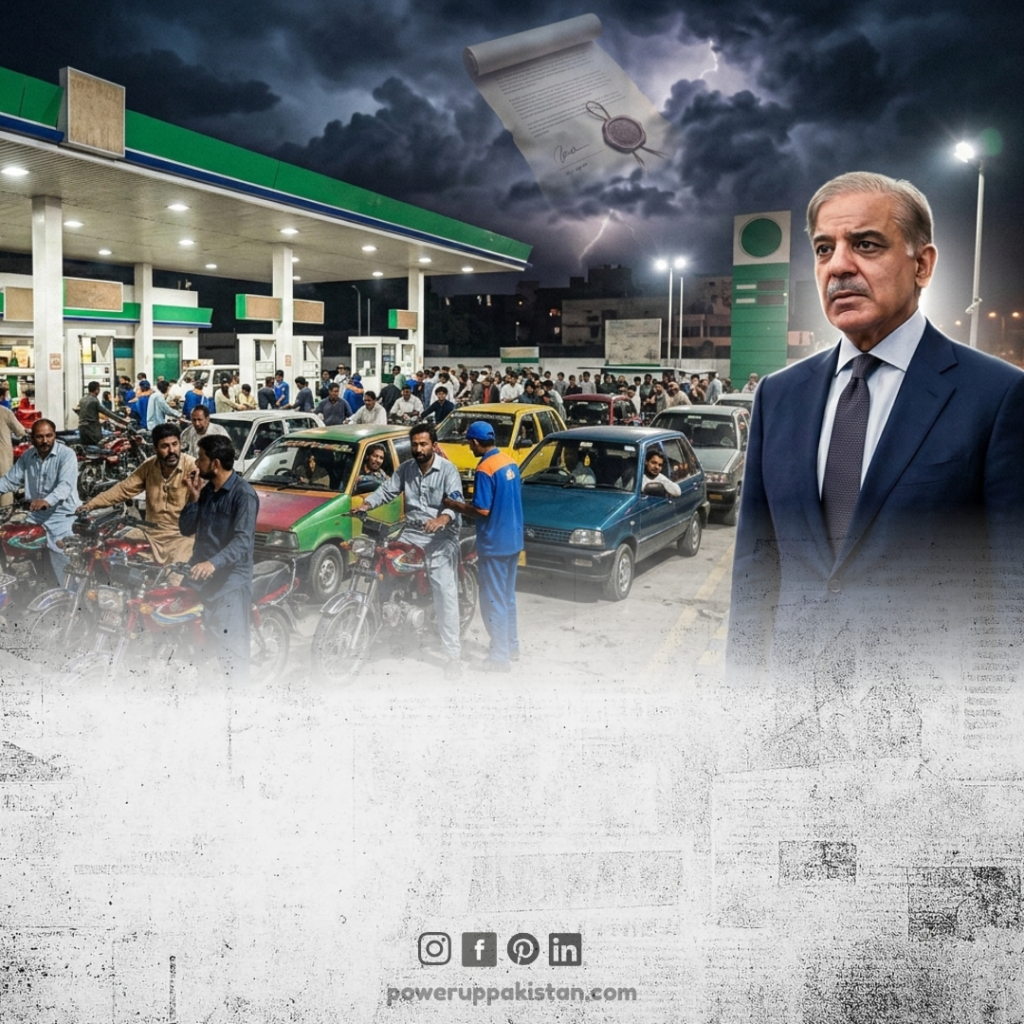
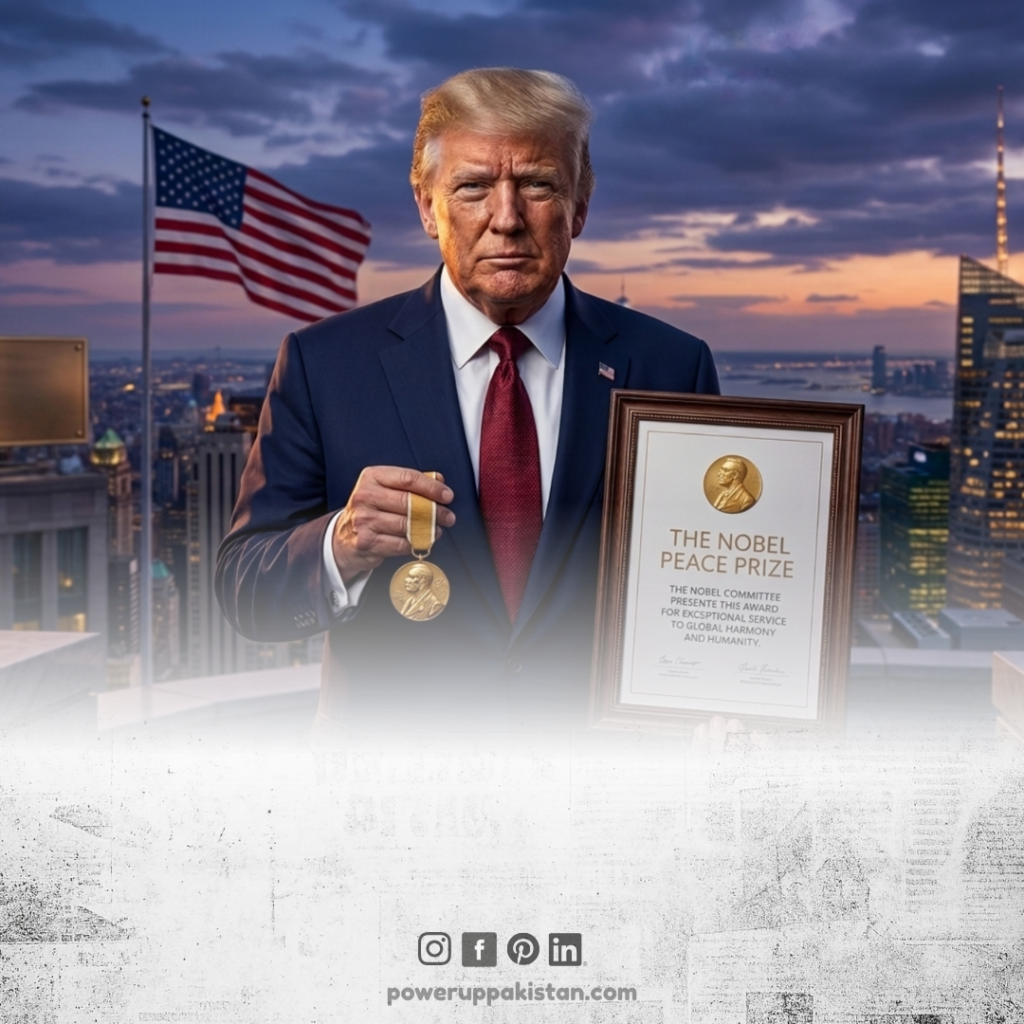
Introduction: A Nomination That Divided a Nation
In June 2025, the Government of Pakistan made a bold and widely debated foreign policy move — formally recommending US President Donald Trump for the 2026 Nobel Peace Prize. The nomination, citing Trump’s ‘decisive diplomatic intervention’ and ‘stellar statesmanship’ in brokering the India-Pakistan ceasefire, immediately triggered a wave of criticism from political analysts, former diplomats, and opposition leaders across Pakistan.
What was intended as a diplomatic gesture quickly transformed into a national controversy — especially after the United States, just 24 hours later, launched ‘Operation Midnight Hammer,’ bombing Iran’s nuclear facilities at Fordow, Natanz, and Isfahan. For many analysts, the Pakistan Trump Nobel Prize nomination had unraveled before the ink was dry.
“The sycophancy adopted by the Pakistani ruling elite in nominating President Trump for the Nobel Peace Prize is not part of normative conduct in international diplomacy.” — Former Senator Afrasiab Khattak
Background: What Led to the Pakistan Nobel Peace Prize Nomination?
To understand the controversy, it is essential to examine the context. In May 2025, India and Pakistan found themselves on the brink of a full-scale war following a terrorist massacre of tourists in Indian-controlled Kashmir. Cross-border military strikes escalated dramatically over several days — marking the most intense military confrontation between the two nuclear-armed neighbours since 1971.
On May 8, 2025, a US-brokered ceasefire was reached. The Trump administration — particularly Vice President JD Vance and Secretary of State Marco Rubio — engaged intensively with both Islamabad and New Delhi to halt the fighting. Pakistan credited Trump’s ‘pivotal leadership’ for the ceasefire. India, by contrast, insisted the truce was a bilateral military agreement reached without third-party mediation.
Against this backdrop, and following a high-profile White House lunch between President Trump and Pakistan’s Army Chief Field Marshal Asim Munir, Deputy Prime Minister Ishaq Dar formally submitted a letter to the Nobel Peace Prize Committee in Norway, recommending Trump for the 2026 prize.
Pakistan Foreign Policy Analysts Slam the Nomination
The backlash among Pakistan’s foreign policy analysts was swift and sharp. Senior analyst Mazhar Abbas, speaking to The Express Tribune, questioned the move by pointing to Washington’s continued support for Israel’s military campaign in Gaza. He argued that nominating Trump for a peace prize fundamentally undermined Pakistan’s own moral position on international conflicts.
Analyst Rasul Bakhsh Rais described the nomination as a ‘blunder’ that damaged the government’s credibility. He acknowledged that maintaining functional ties with the United States was a strategic necessity — but insisted this could be done without compromising Pakistan’s diplomatic integrity.
“Nominating Trump for the peace prize was a mistake. It damaged the government’s credibility.” — Rasul Bakhsh Rais, Senior Analyst
Former caretaker Punjab Chief Minister Hasan Askari Rizvi offered a more pragmatic assessment. He characterised the nomination as largely symbolic and driven by Pakistan’s economic constraints and limited financial space to act independently on the world stage. However, even this defence acknowledged the decision was rooted in desperation, not principle.
Political Firestorm: Opposition Calls for Withdrawal
Beyond the analyst community, Pakistan’s political opposition erupted in protest. Maulana Fazlur Rehman, chief of Jamiat Ulema-i-Islam (JUI-F), called the nomination ‘spineless’ and ‘sycophantic,’ accusing Trump of having ‘the blood of Palestinians, Afghans, and Iraqis on his hands.’ He demanded the government immediately withdraw the nomination.
Jamaat-i-Islami chief Naeemur Rehman stated the decision ‘undermines our national dignity and grace.’ Meanwhile, Pakistan’s former ambassador to the United States, Maleeha Lodhi, termed the move ‘unfortunate’ and ‘ill-conceived,’ stressing it did not reflect the views of Pakistan’s people. She called on the government to ‘have the decency to revoke that decision.’
Even the nomination’s initial supporters reversed course. Former Senator Mushahid Hussain — who had initially justified the nomination by saying ‘Trump is good for Pakistan’ — later called for its rescission, posting that ‘since Trump is no longer a potential peacemaker, but a leader who has willfully unleashed an illegal war, Pakistan must now review, rescind and revoke his Nobel nomination.’
“Israel’s sugar daddy in Gaza and cheerleader of its attacks on Iran isn’t a candidate for any prize.” — Talat Hussain, Pakistani Political Journalist
The 24-Hour Reversal: Nomination Meets Operation Midnight Hammer
The most damaging blow to the Pakistan Trump Nobel Prize nomination came from events entirely outside Pakistan’s control. Within 24 hours of the formal announcement, the United States — alongside Israel — launched Operation Midnight Hammer, targeting Iran’s nuclear facilities at Fordow, Isfahan, and Natanz. Trump declared the strikes a ‘spectacular military success.’
Pakistan’s Foreign Ministry quickly reversed course, issuing a statement condemning the strikes as a ‘serious violation of international law.’ Prime Minister Shehbaz Sharif expressed concern over the bombings in a phone call with Iranian President Masoud Pezeshkian. Pakistan also affirmed Iran’s right to self-defence.
This diplomatic whiplash — praising Trump as a peacemaker one day and condemning his military actions the next — exposed the fragile and reactive nature of Pakistan’s foreign policy calculus. Critics argued that the government had sacrificed long-term credibility for short-term diplomatic appeasement.
Strategic Analysis: Diplomatic Appeasement or Genuine Gratitude?
Observers have offered competing explanations for why Pakistan chose to nominate Trump for the Nobel Peace Prize, despite the risks. Several analysts suggest the nomination was driven by a combination of factors: gratitude for US mediation in the India-Pakistan ceasefire, a desire to internationalise the Kashmir dispute, and an attempt to secure US leniency on Pakistan’s nuclear programme and financial aid flows.
Writing for the London School of Economics’ USAPP blog, researchers noted that Pakistan’s ‘desperate endorsement is tied to its push to internationalise the Kashmir issue and gain US leniency on nuclear policy and aid.’ This framing positions the nomination less as a sincere recognition of Trump’s statesmanship and more as a transactional foreign policy tool.
Some Pakistani voices were more forgiving. Former Senate Defence Committee Chairman Mushahid Hussain (before reversing his position) had stated: ‘If this panders to Trump’s ego, so be it. All the European leaders have been sucking up to him big time.’ This argument — that engaging Trump on his own terms is simply pragmatic diplomacy — reflects the difficult position smaller nations face when navigating US foreign policy under unpredictable leadership.
India’s Rejection of the Narrative
It is also worth noting that India flatly rejected the premise on which Pakistan based its nomination. Indian Foreign Secretary Vikram Misri reiterated that the cessation of hostilities in May 2025 was the result of bilateral military communication initiated at Pakistan’s own request — not US mediation. Indian Prime Minister Narendra Modi stated that India ‘does not and will never accept mediation’ in its dispute with Pakistan. This directly contradicts the foundational justification Pakistan used for nominating Trump for the Nobel Peace Prize.
Understanding the Nobel Peace Prize Nomination Process
It is important to clarify how Nobel Peace Prize nominations work. Governments, parliamentarians, academics, judges, and former Nobel laureates are among those eligible to submit nominations. A nomination does not indicate shortlisting, selection, or any endorsement by the Norwegian Nobel Committee. Pakistan’s nomination of Trump joins similar submissions from Israel, the Democratic Republic of Congo, and a US Republican congressman — all of whom cited Trump’s 2025 diplomatic interventions.
The Nobel Committee independently evaluates nominees based on contributions to fraternity between nations, the abolition or reduction of standing armies, or the holding and promotion of peace congresses. Critics argue that Trump’s record — including continued support for Israel’s military campaigns in Gaza and Lebanon, his endorsement of airstrikes on Iran, and his unilateral trade-based foreign policy — makes him a highly unconventional and contested candidate by those standards.
Conclusion: A Decision That Costs More Than It Gains
Pakistan’s decision to nominate President Donald Trump for the 2026 Nobel Peace Prize was, at its core, a calculated diplomatic gesture — intended to reward US involvement in the India-Pakistan ceasefire and to strengthen bilateral ties. But the execution was widely criticised as poorly timed, strategically naive, and morally inconsistent given Trump’s simultaneous actions in Iran.
The episode has exposed deeper vulnerabilities in Pakistan’s foreign policy: an over-reliance on US goodwill, limited financial autonomy, and a gap between the government’s diplomatic messaging and public sentiment. As the Nobel Peace Prize controversy over Trump’s nomination continues to unfold, Pakistan faces the challenge of recalibrating its position without losing face or diplomatic capital.
For a country navigating complex relationships with the United States, China, Iran, and its neighbours, the Trump Nobel nomination may ultimately be remembered less as statecraft and more as a cautionary tale about the dangers of transactional diplomacy.