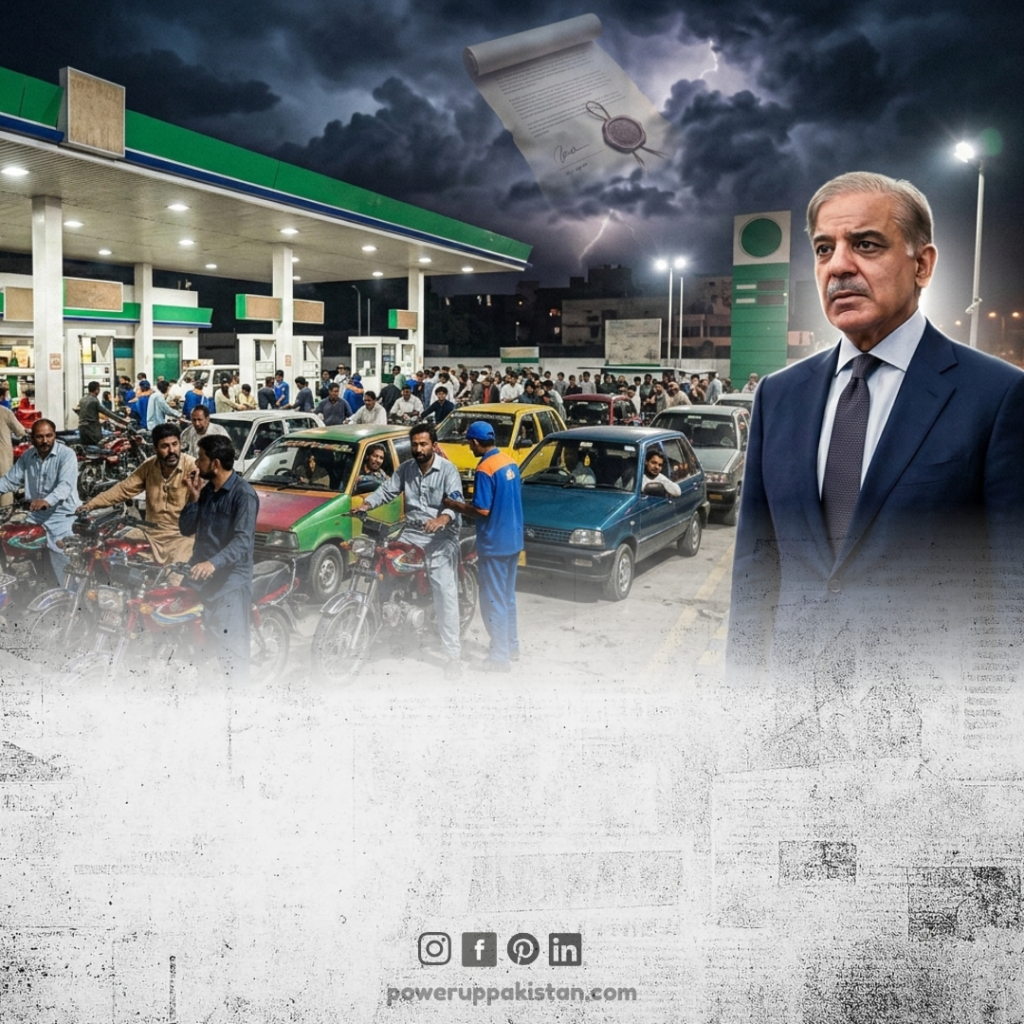
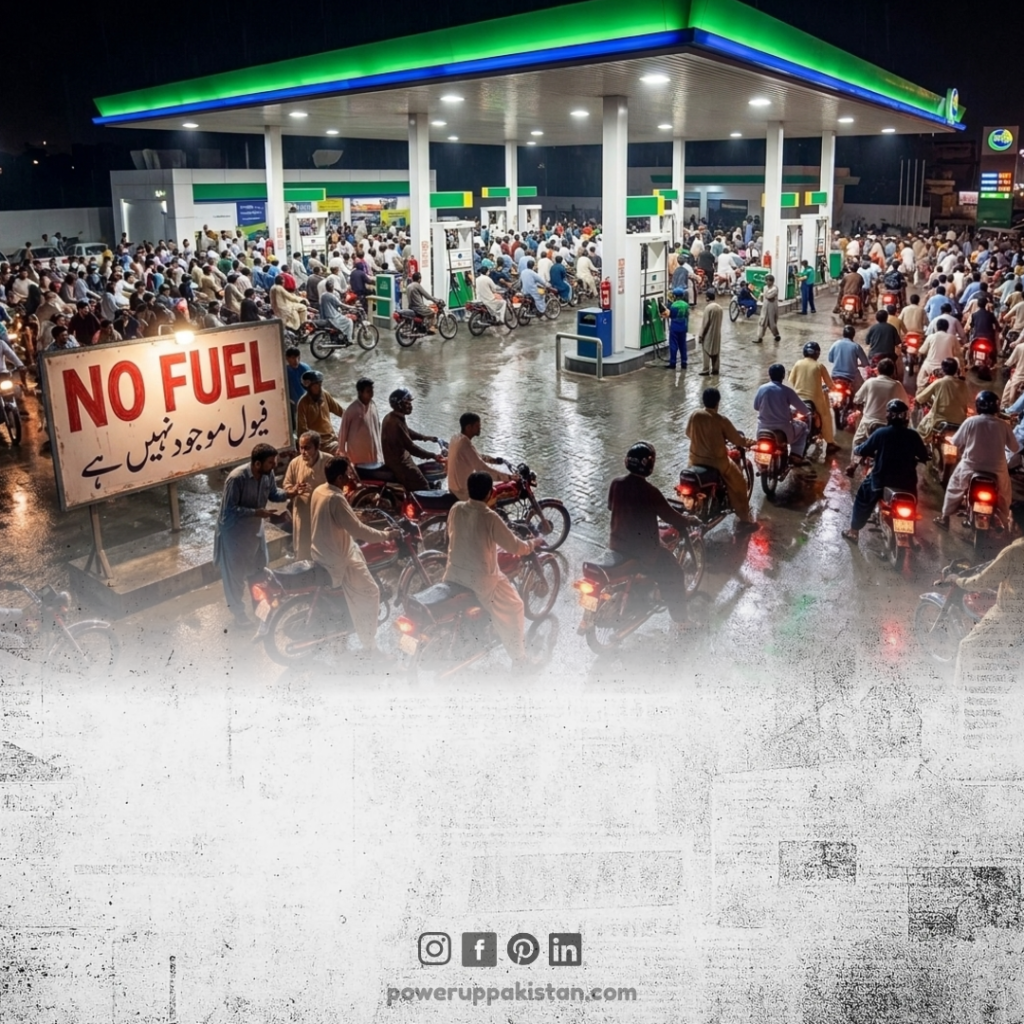
Pakistan on the Brink: Fuel Stations Could Go Dark by Monday as Crisis Deepens
Senior officials from the Pakistan Petroleum Dealers Association have raised the alarm that fuel stations across the country could start shutting their doors as early as Monday, triggering widespread concern among motorists, businesses, and policymakers alike. The warning comes amid a deeply troubling reality on the ground — diesel stocks have plummeted to just a fifth of normal operational levels, while petrol availability now stands at roughly half of what the country typically requires to function smoothly. The situation is being described as one of the most severe fuel supply disruptions Pakistan has faced in recent memory, with industry leaders cautioning that without immediate intervention, the consequences for transportation, agriculture, and daily life could be nothing short of catastrophic. As the country braces for a potential blackout at pumps nationwide, all eyes are now on both the petroleum sector and the federal government to deliver urgent and credible solutions before the Monday deadline arrives.
Prices Surge as Supply Shrinks — Consumers Feel the Pinch
The supply crunch has already driven prices sharply higher at the pump, hitting everyday Pakistanis hard in their pockets at a time when the economy can least afford further strain. Diesel rates have climbed by Rs 17 per litre, while petrol prices have surged by a steep Rs 35 per litre — placing an increasing and unsustainable financial burden on consumers, transporters, and small business owners who depend on fuel to keep their livelihoods running. For millions of Pakistanis who rely on public transport, rickshaws, and private vehicles to commute daily, these price hikes translate directly into higher fares, inflated food costs, and shrinking household budgets. The trucking and logistics sector, which is the backbone of Pakistan’s supply chain, faces particularly acute pressure, as rising fuel costs threaten to push the prices of essential commodities even higher across the country. Economists warn that if the fuel crisis is not resolved swiftly, it could trigger a broader inflationary spiral that compounds the already fragile economic conditions facing the nation. With both supply and affordability under severe stress simultaneously, the situation demands more than just reassurances — it demands concrete, transparent, and measurable action from those in authority.
The Root Cause: Middle East Tensions Choke a Critical Shipping Route
The root cause of the disruption traces back to escalating regional instability in the Middle East, where ongoing conflict has severely disrupted key international shipping corridors — most critically, the Strait of Hormuz. This narrow but strategically vital waterway serves as the primary passage through which a significant portion of Pakistan’s fuel imports travel, and its effective blockade has cut off the country’s usual supply lifeline. The ripple effects of this geopolitical crisis are now being felt at petrol pumps thousands of miles away, underscoring just how exposed Pakistan remains to global energy shocks.
Government’s Response: Alternative Routes and a 28-Day Assurance
In response to the mounting crisis, the government has moved to secure alternative fuel supplies by redirecting imports through different shipping routes, including via the Red Sea. Authorities have sought to calm growing public concern by stating that existing reserves are sufficient to sustain the country’s energy needs for approximately 28 days — buying critical time as new shipments are arranged and logistics are restructured. While the assurance offers some short-term relief, analysts caution that the government must act with urgency and transparency to prevent a deeper crisis from unfolding