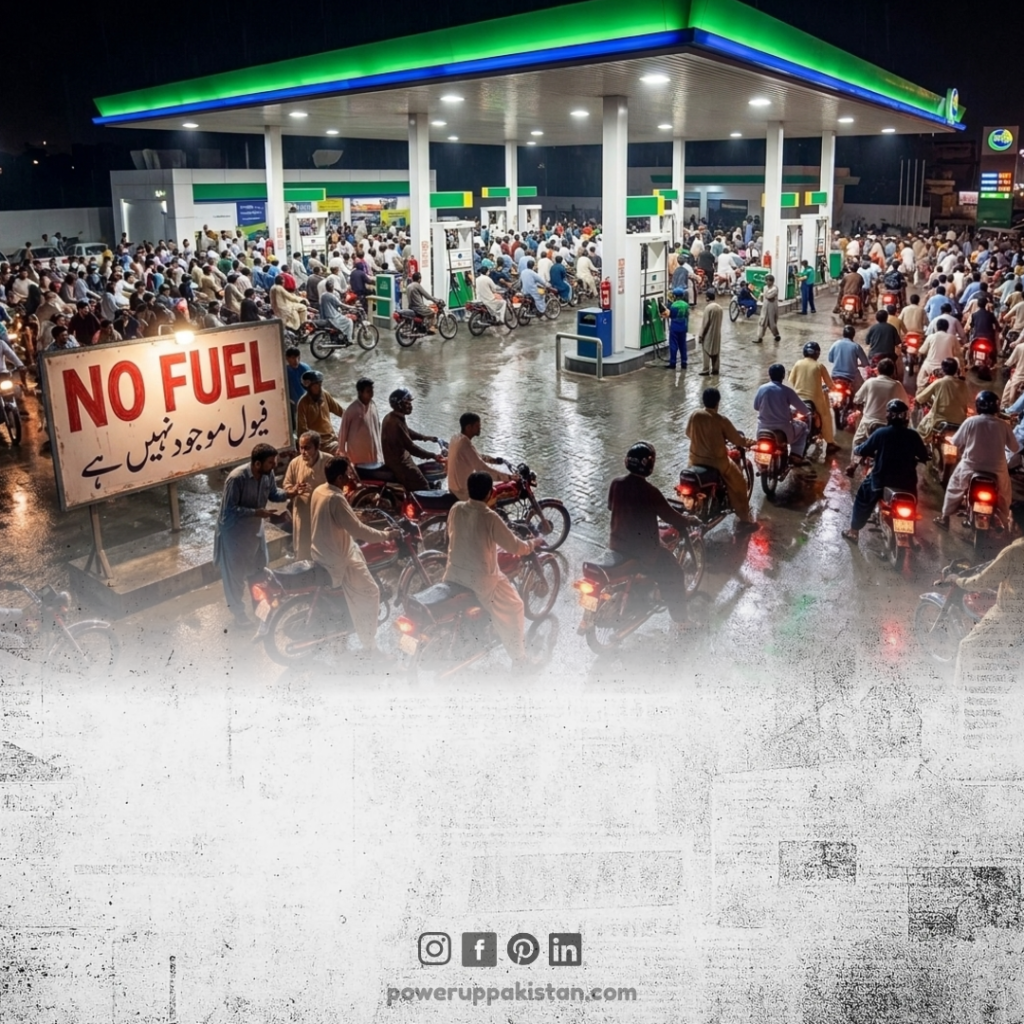
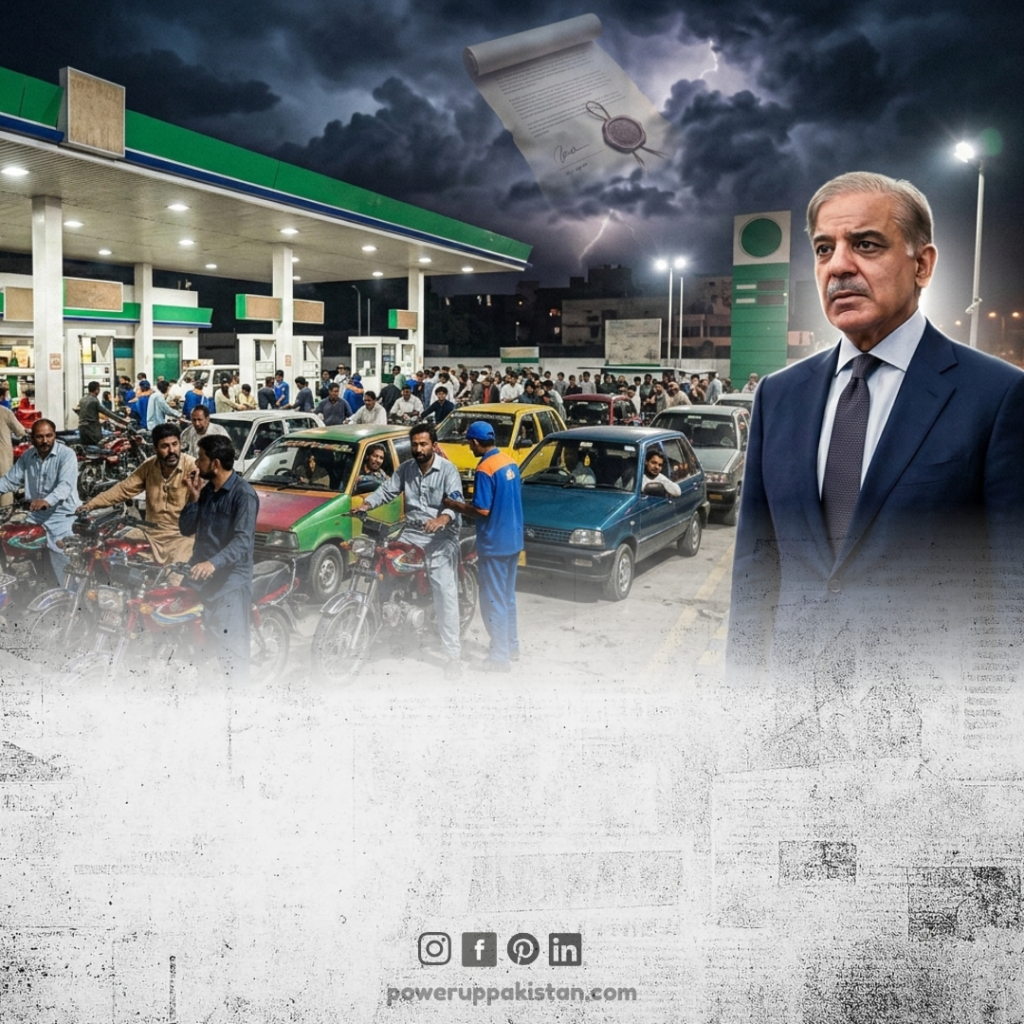
Pakistan’s Petrol Prices Surge to Rs. 321.17 — War, Global Oil Crisis, and the Cost Ordinary Citizens Pay
The Pakistani government has announced a staggering increase of Rs. 55 per litre in petrol prices, pushing the new retail rate to Rs. 321.17 per litre. This sharp revision has sent shockwaves across households, businesses, and the transport sector — but to understand why this happened, one must look beyond domestic politics and toward the volatile global stage.
The War Effect: How Regional Conflict Is Fueling the Fire
One of the most significant drivers behind the global oil price surge is the ongoing conflict in the Middle East — a region that sits atop the world’s most critical energy reserves. Wars and geopolitical tensions in oil-producing regions historically trigger immediate panic in energy markets. Traders, anticipating supply disruptions, rush to lock in crude at higher prices, creating a self-reinforcing cycle of escalating costs.
As conflict intensifies in the region, shipping routes through key oil corridors face uncertainty, insurance costs for tankers skyrocket, and production at certain facilities either slows or halts entirely. The ripple effect reaches every oil-importing nation — and Pakistan, which relies heavily on imported crude, absorbs that blow directly at the pump.
Crude Oil Surges 9% — Topping $93 a Barrel
The situation worsened sharply on Friday when international crude oil prices jumped by 9%, breaching the psychologically critical threshold of $93 per barrel. This was one of the largest single-day percentage gains in recent memory, driven by fears of supply chain disruptions tied to the regional war and OPEC+ nations signaling they would not increase output to compensate for potential shortfalls.
At $93 a barrel, Pakistan’s import bill for petroleum products climbs dramatically. Since Pakistan purchases oil in US dollars — and the rupee has already been under prolonged pressure — the effective cost in local currency is even more punishing.
Who Bears the Burden?
The answer is simple: ordinary Pakistanis. Rising petrol prices cascade into every corner of the economy. Transport fares rise. Food prices climb because goods cost more to ship. Small businesses operating on tight margins face impossible choices. Families already squeezed by inflation find their budgets stretched further.
What Lies Ahead?
Unless the regional conflict de-escalates swiftly and global oil markets stabilize, Pakistan could face further price revisions in the weeks ahead. The government faces an unenviable position — absorb losses through subsidies (which strains fiscal commitments to the IMF) or pass the cost to consumers.
For now, at Rs. 321.17 per litre, Pakistan’s petrol prices stand as a stark reminder of how deeply connected the country is to forces far beyond its borders.