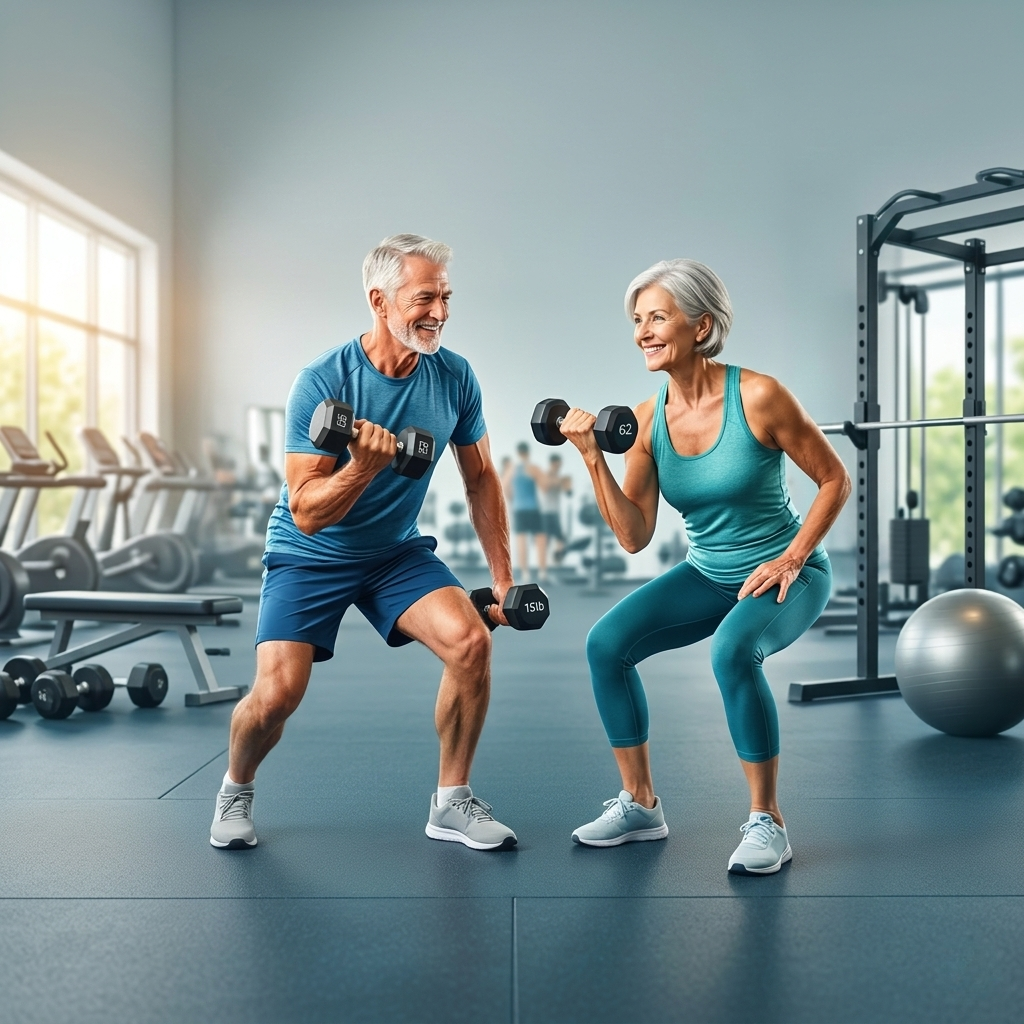
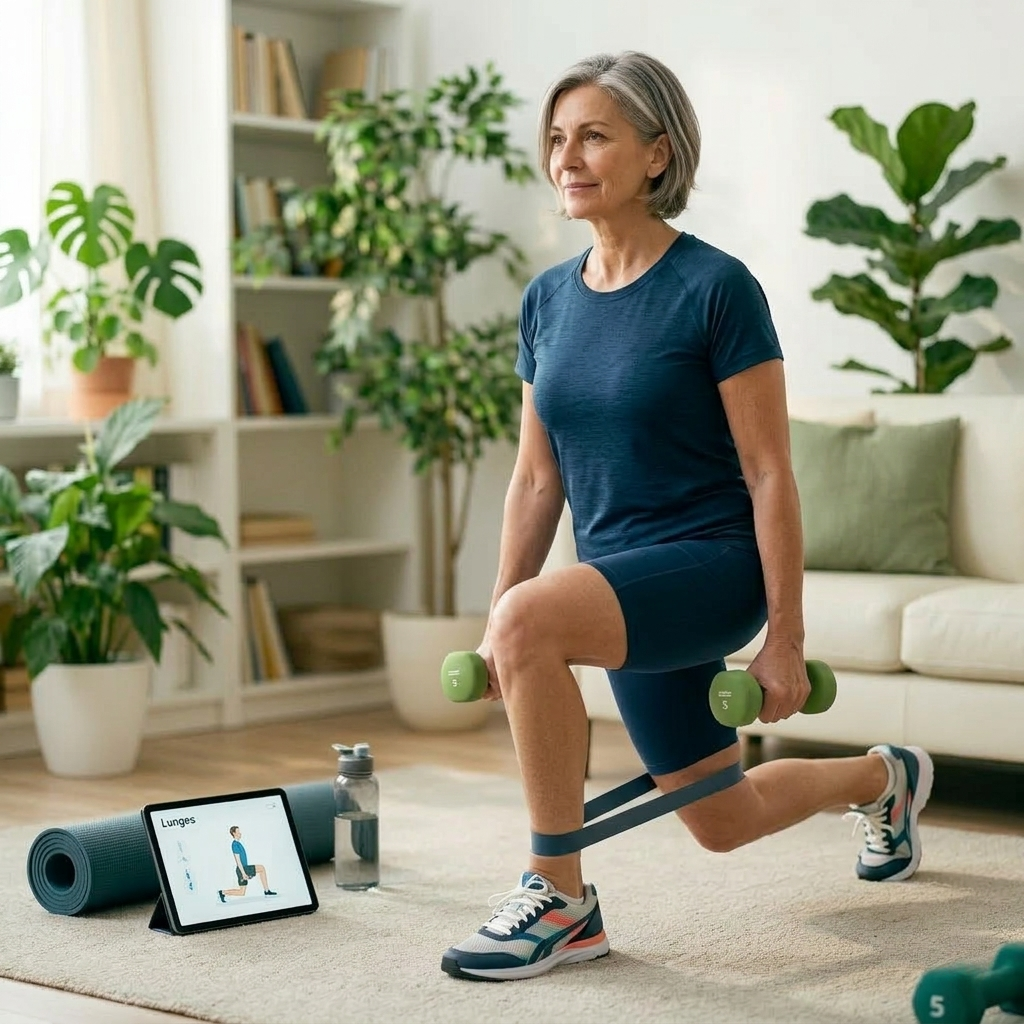
Staying active after 50 is one of the most powerful things a woman can do for her health. Whether you are just starting out or returning to fitness after a long break, a structured home workout plan for women over 50 can help you build strength, protect your bones, manage weight, and feel more energetic — without setting foot in a gym.
This guide provides a practical, safe, and research-backed fitness routine that fits your lifestyle, your body, and your goals.
Understanding Why Exercise Changes After 50
As women enter their 50s, a natural shift occurs in the body. Estrogen levels decline during and after menopause, which can lead to muscle loss (sarcopenia), reduced bone density, a slower metabolism, and decreased flexibility. Research indicates that women can lose approximately half a pound to a full pound of muscle per year after age 35 if they do not actively work to maintain it.
The good news: consistent exercise — especially strength training combined with cardio and flexibility work — can significantly slow, and in many cases reverse, these changes. You do not need expensive equipment or a gym membership to see real results.
Key Benefits of a Home Workout Plan for Women Over 50
Before diving into the exercises, here is what a well-rounded fitness routine can do for you:
- Builds and preserves lean muscle mass, supporting a healthy metabolism
- Strengthens bones and lowers the risk of osteoporosis and fractures
- Improves balance and coordination, reducing the chance of falls
- Supports heart health and cardiovascular endurance
- Helps manage menopausal symptoms, including mood swings and sleep issues
- Boosts mental health, reducing anxiety and symptoms of depression
- Enhances flexibility and joint mobility for pain-free daily movement
What Your Weekly Workout Schedule Should Look Like
A balanced home exercise routine for women over 50 should include three key components: strength training, low-impact cardio, and flexibility or mobility work. Here is a beginner-friendly weekly plan:
Sample 5-Day Home Workout Plan
- Monday — Upper Body Strength Training (20–30 minutes)
- Tuesday — Low-Impact Cardio: Brisk Walk or Yoga (20–30 minutes)
- Wednesday — Lower Body Strength Training (20–30 minutes)
- Thursday — Rest or Light Stretching
- Friday — Full Body Strength & Core (30 minutes)
- Saturday — Active Recovery: Walking, Swimming, or Cycling
- Sunday — Rest
Rest days are not optional — they are part of the program. Recovery becomes increasingly important as we age, allowing muscles to repair and grow stronger.
Best Strength Training Exercises for Women Over 50 at Home
Strength training — also called resistance training — is the cornerstone of any effective workout plan for women over 50. You can begin with just your bodyweight and progress to light dumbbells or resistance bands as your strength improves.
1. Bodyweight Squats
Stand with feet hip-width apart. Lower your hips as if sitting into a chair, keeping your knees behind your toes. Rise back to standing. Perform 12–15 repetitions. Squats build quad, glute, and core strength, and support knee joint health.
2. Wall Push-Ups
Place your hands flat on a wall at shoulder height. Lower your chest toward the wall, then push back. This beginner-friendly move builds upper body and shoulder strength without straining wrist or elbow joints.
3. Glute Bridge
Lie on your back with knees bent and feet flat on the floor. Press your hips upward, squeezing the glutes at the top. This targets the glutes, hamstrings, and lower back — muscles critical for posture and fall prevention.
4. Bird-Dog
On all fours, extend your right arm and left leg simultaneously, hold for 2–3 seconds, then switch sides. The bird-dog is an excellent core and balance exercise that supports spinal stability.
5. Resistance Band Rows
Anchor a resistance band to a door handle at waist height. Pull both handles toward your ribcage, squeezing the shoulder blades together. Rows improve posture by targeting the upper back muscles weakened by prolonged sitting.
6. Plank (Modified or Full)
Begin with a modified plank on your knees if needed. Hold the position with a straight back for 15–30 seconds, building up over time. Planks strengthen the entire core — abs, back, hips, and glutes.
Low-Impact Cardio for Women Over 50
Cardiovascular exercise is essential for heart health, weight management, and stamina. Low-impact cardio is gentle on ageing joints while still delivering excellent fitness benefits.
- Brisk walking (outdoors or on a treadmill)
- Swimming or water aerobics
- Stationary cycling
- Dancing at home
- Yoga-inspired flow sessions
The World Health Organization (WHO) recommends that adults aged 50 and older aim for at least 150 minutes of moderate-intensity aerobic activity per week. Breaking this into 30-minute sessions five days a week is a practical and achievable target.
Flexibility and Mobility: The Often-Overlooked Third Pillar
Flexibility training is critical for injury prevention, reducing stiffness, and maintaining quality of life. As joints become less elastic with age, regular stretching and mobility work keep the body moving freely and without pain.
Incorporate these into your cool-down after every session:
- Hip flexor stretch — reduces lower back tension
- Shoulder cross-body stretch — relieves tightness from daily activities
- Hamstring stretch (seated or standing)
- Cat-cow spinal mobility exercise
- Child’s pose for lower back and hip release
Yoga and Pilates are also excellent options that combine flexibility, breathing, and gentle strength work — making them highly suitable for women over 50.
Important Safety Tips Before You Begin
Your safety is the top priority. Please keep these guidelines in mind:
- Consult your doctor before starting any new exercise program, especially if you have existing health conditions such as osteoporosis, arthritis, cardiovascular disease, or diabetes.
- Always warm up for 5 minutes before exercising (light walking, arm circles, leg swings).
- Start with low intensity and progress gradually — never rush to lift heavier or move faster.
- Listen to your body. Pain is a signal to stop — discomfort is different from pain.
- Stay hydrated throughout your workout.
- Wear supportive footwear to protect joints.
Disclaimer: This article is intended for informational purposes only and does not constitute medical advice. Always consult a qualified healthcare professional before starting a new exercise programme, particularly if you have pre-existing health conditions.
How to Stay Consistent: Practical Motivation Tips
The most effective workout plan is the one you actually follow. Here are evidence-based strategies to stay on track:
- Stack your workout onto an existing daily habit — such as exercising right after morning tea or coffee.
- Set a specific time and treat it as a non-negotiable appointment.
- Start with just 20 minutes — consistency matters more than duration.
- Track your progress in a simple journal or fitness app.
- Join an online community or find an accountability partner.
- Celebrate small wins — increased stamina, better sleep, and improved posture are all real results.
Nutrition: The Missing Piece of Your Fitness Plan
Exercise and nutrition work hand in hand. Women over 50 benefit significantly from adequate protein intake to support muscle maintenance. Aim for a diet rich in lean proteins (chicken, fish, legumes, eggs), calcium-rich foods (dairy or fortified alternatives) to support bone health, and anti-inflammatory foods such as fruits, vegetables, and healthy fats like olive oil and nuts.
Staying well-hydrated and maintaining a balanced, nutrient-dense diet amplifies the results of your home workout routine.
Frequently Asked Questions
How often should a woman over 50 exercise at home?
Aim for at least 4–5 days of activity per week, mixing strength training, cardio, and flexibility work. Even 20–30 minutes per session delivers meaningful health benefits.
Can women over 50 build muscle at home without weights?
Yes. Bodyweight exercises such as squats, push-ups, and planks are highly effective for building and maintaining muscle — especially for beginners. Resistance bands are a low-cost addition that adds variety and progression.
Is it safe to exercise during menopause?
Regular exercise is not only safe during menopause — it is one of the most recommended strategies for managing symptoms. Strength training, in particular, helps counteract bone density loss associated with declining oestrogen levels. Always check with your doctor if you have specific concerns.
Final Thoughts: It Is Never Too Late to Start
A home workout plan for women over 50 does not need to be complicated, expensive, or time-consuming to be effective. With the right combination of strength training, low-impact cardio, and flexibility work — performed consistently — you can build a stronger, healthier, more energetic version of yourself at any age.
Start small. Stay consistent. And trust that every rep, every step, and every stretch is an investment in your long-term wellbeing.